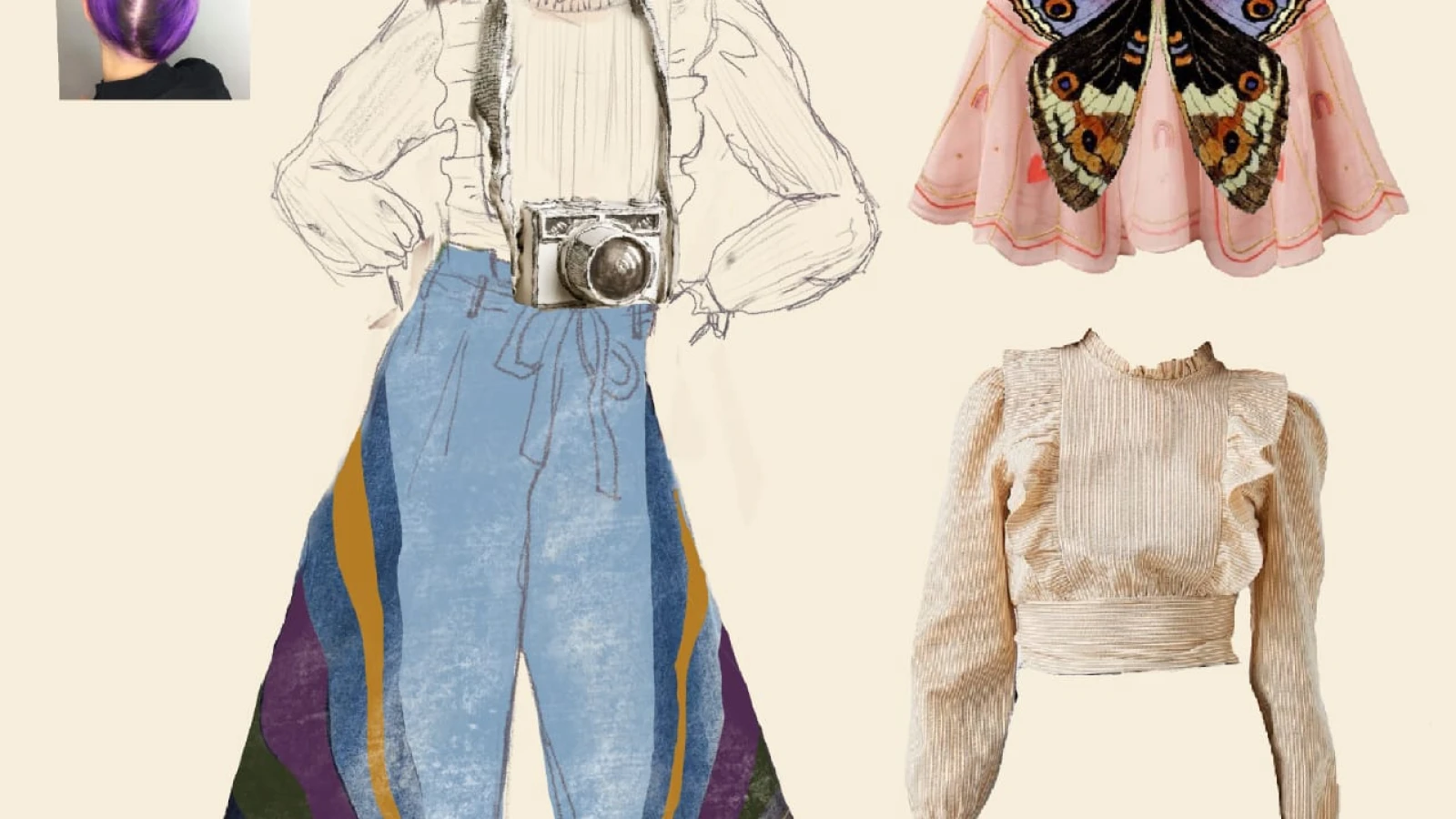
“The characters themselves were the greatest source of inspiration!”
In *Treasures of the Forest*, Yeraz’s adventure is brought to the stage in its simplest and most realistic form, while the magical atmosphere created by the play transports the audience to different worlds. One of the chief architects of this magic, our costume designer Derya Ayvaz, sat down with our writer Nevra Nergiz for a sort of “Z-report.”
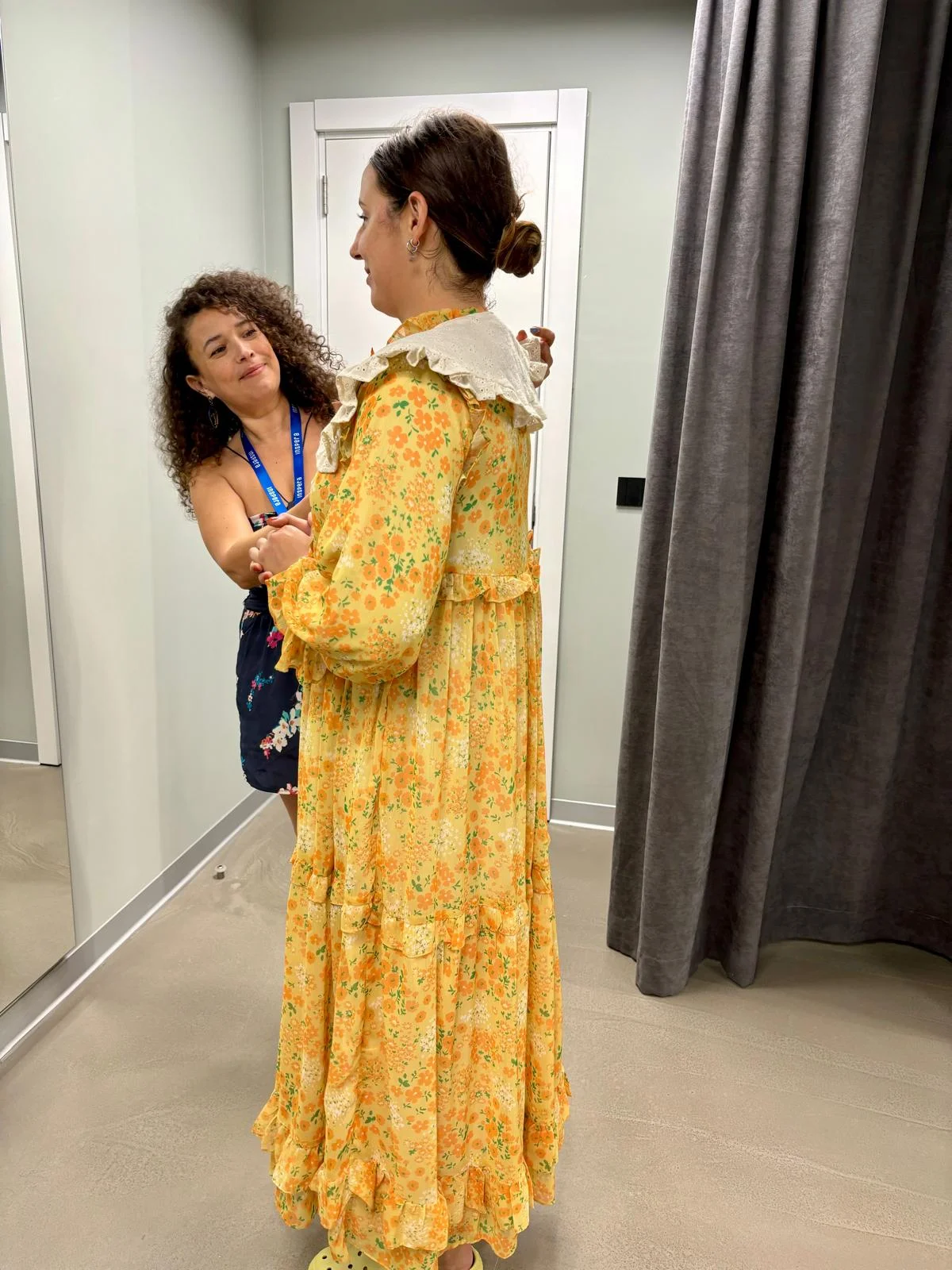
Nevra: Let’s go back to the very beginning of the project: When we told you at our first meeting that we were going to adapt *Treasures of the Forest* into a play, what came to mind? Looking at the result now, are you still in the same place as you were back then?
Derya: I had read the book before coming to the meeting and really loved the story. As the mother of a young girl the same age as the main character, it resonated with me on a very emotional level. When I shared my ideas about the visuals forming in my mind with you and our director, Serel, I saw just how much we were on the same page. That only increased my excitement and confidence. I thought the story’s simple, naive, realistic, and emotional side—free from frills—would open up a space for us to be visually creative on stage.
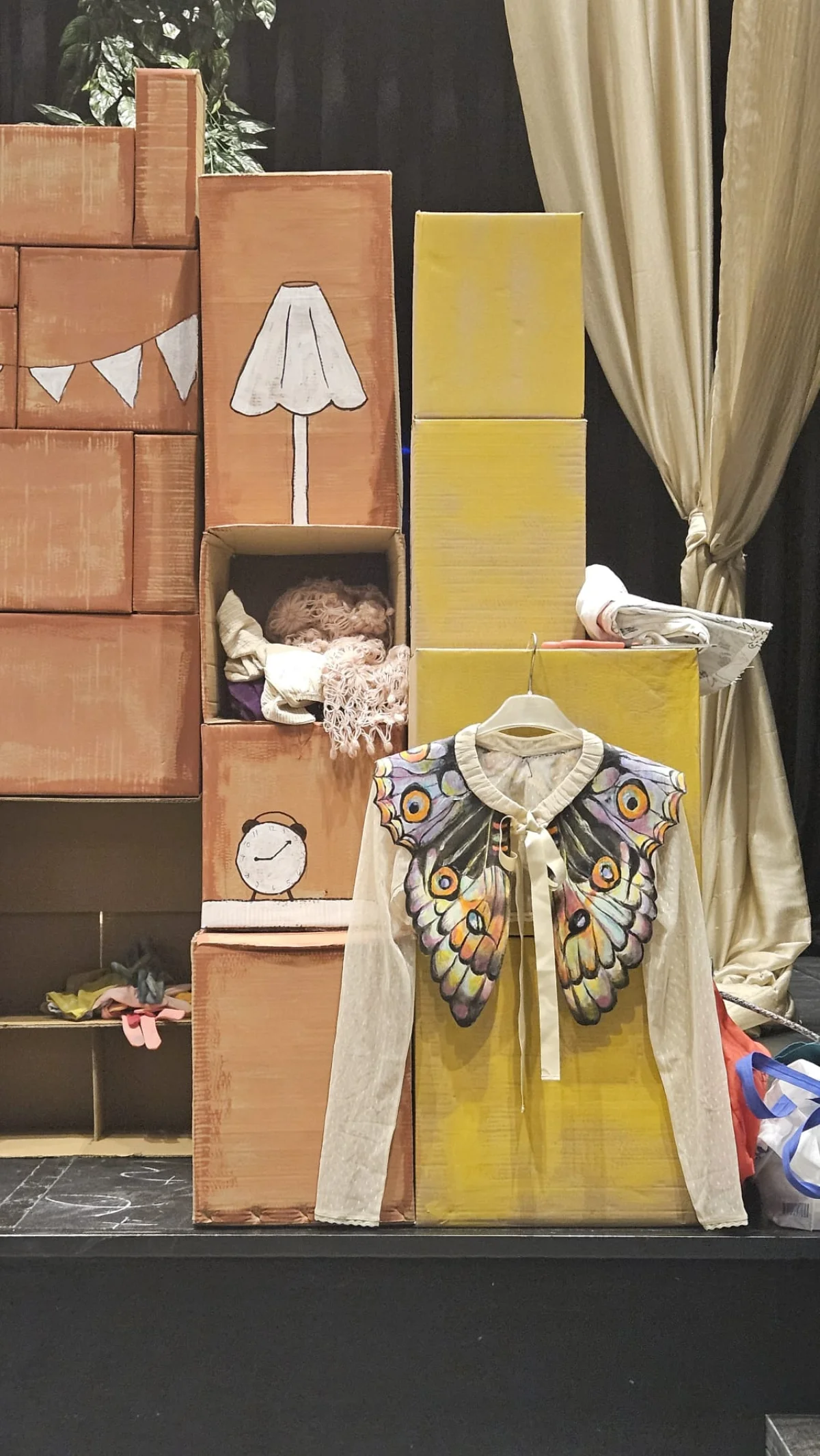
Nevra: I think the first thing we talked about was the costumes having a “timeless” feel…
Derya: Yes, we focused on that and talked about creating a design that evokes the feel of a well-illustrated children’s book. One of our main goals was to create a production where parents who bring their children to the play could also put their phones aside and enjoy watching it. Seeing every single element we envisioned come to life is an immense joy… So, going back to your first question—yes, I can definitely say we’re on the same page.
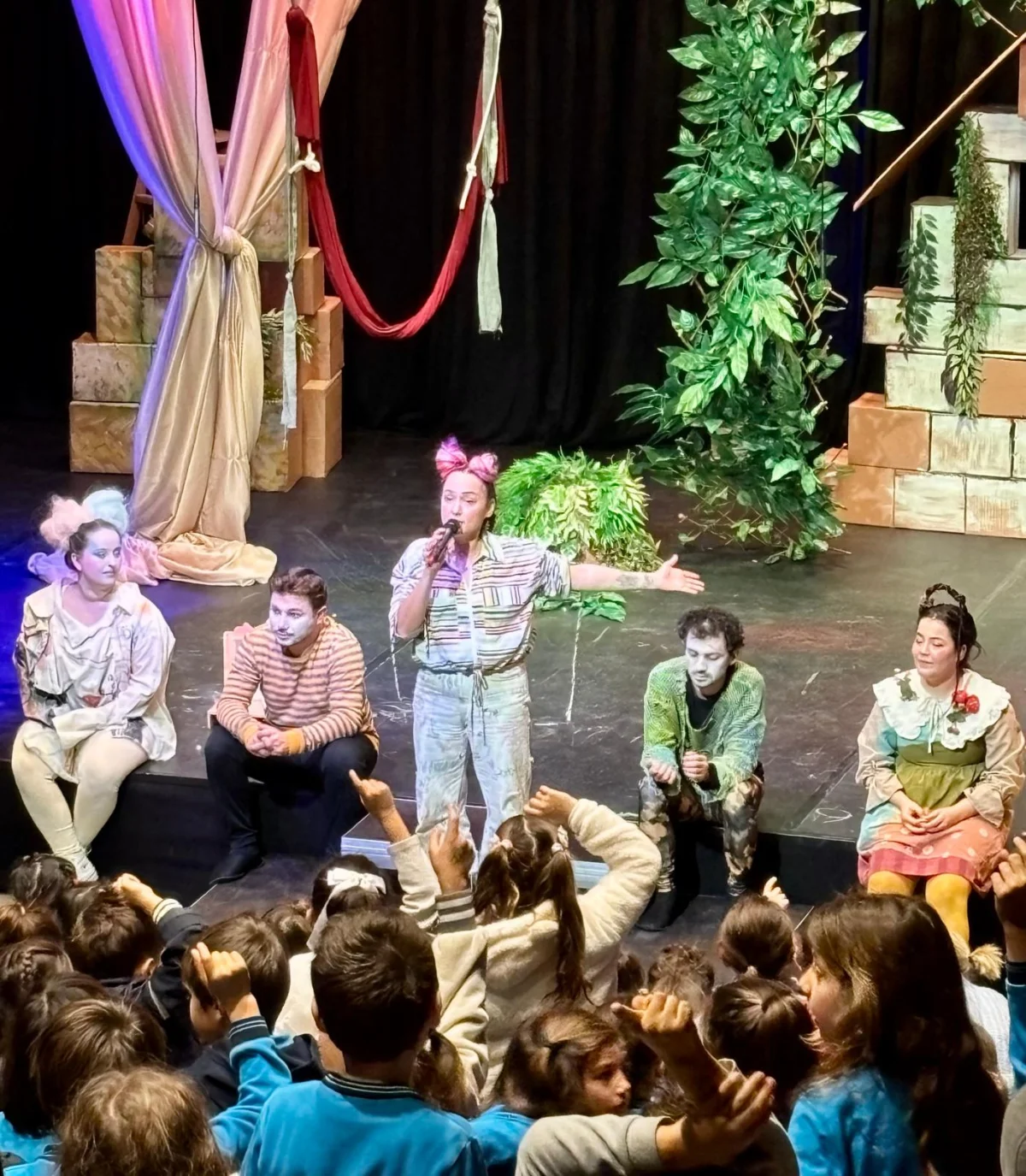
Nevra: We worked with secondhand items for much of our costume design process, and that was your choice. Why did you want to be able to experiment with the clothes and accessories?
Derya: Although my main profession is stage set and costume design, I’ve been working with jewelry and accessories for about 20 years. Over the years, I’ve embraced the idea of transforming materials like hardware, wallpaper, and trash bags—beyond their familiar uses in everyday life—into something else, particularly luxury accessories like jewelry. Building on that, when I thought about the costumes, choosing secondhand items became more practical for me. I wanted the main characters’ costumes, in particular, to serve as canvases that I could manipulate—whether with paint or other materials—to create an illustrative effect. For example, Caniko’s costume was made from two extra-large men’s shirts we bought for 25 liras each. After being absurdly sewn together with buttons and painted, it took on the look of a crumpled, discarded everyday shirt!
Nevra: That was truly a fantastic idea and creation! When you were imagining the costumes, what or who inspired you?
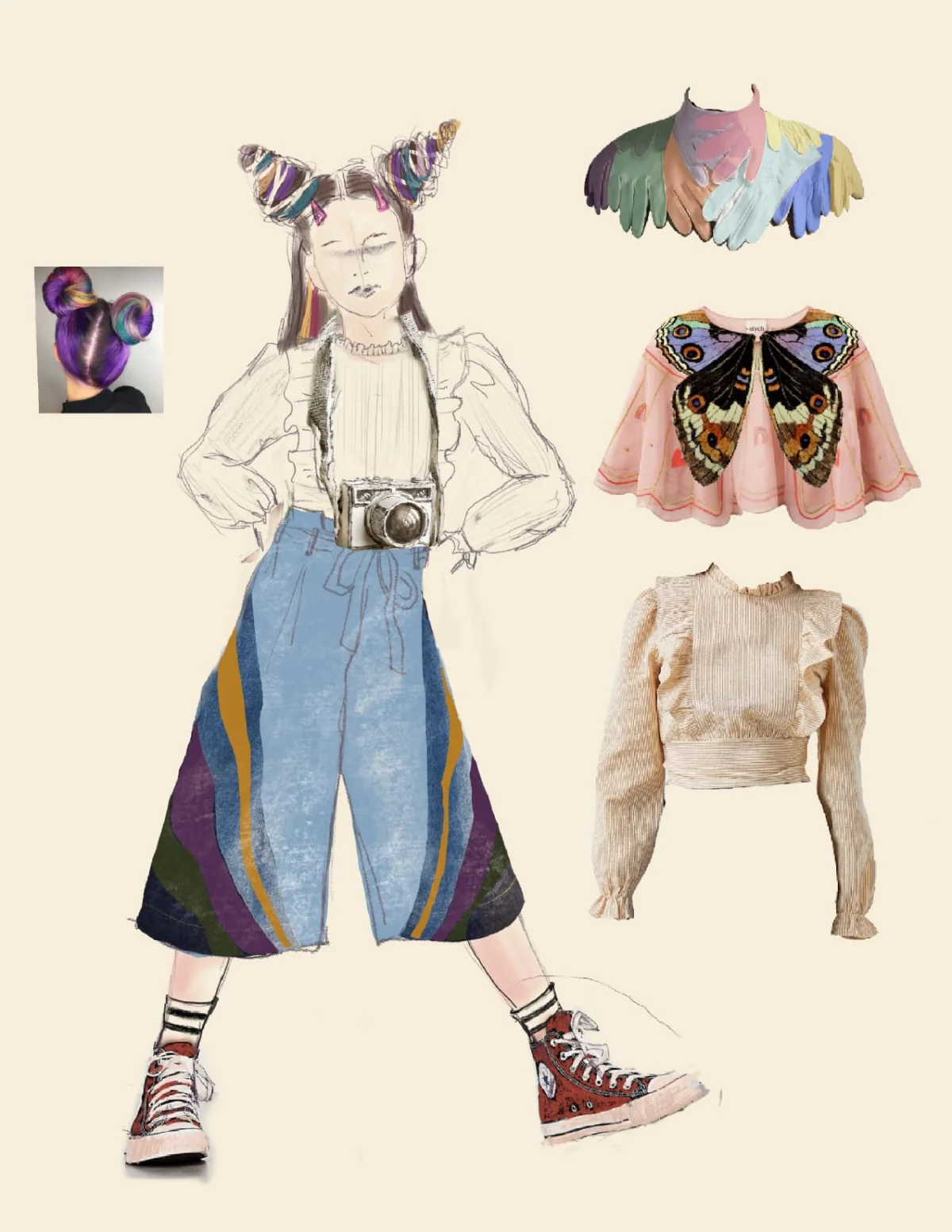
Derya: For me, the biggest source of inspiration was the characters themselves. I worked based on details like their emotional makeup, the flow of their lives, and what they reflected in the story. Of course, doing plenty of visual research for each one and creating inspiration boards was helpful for enriching the designs with unique and eye-catching details.
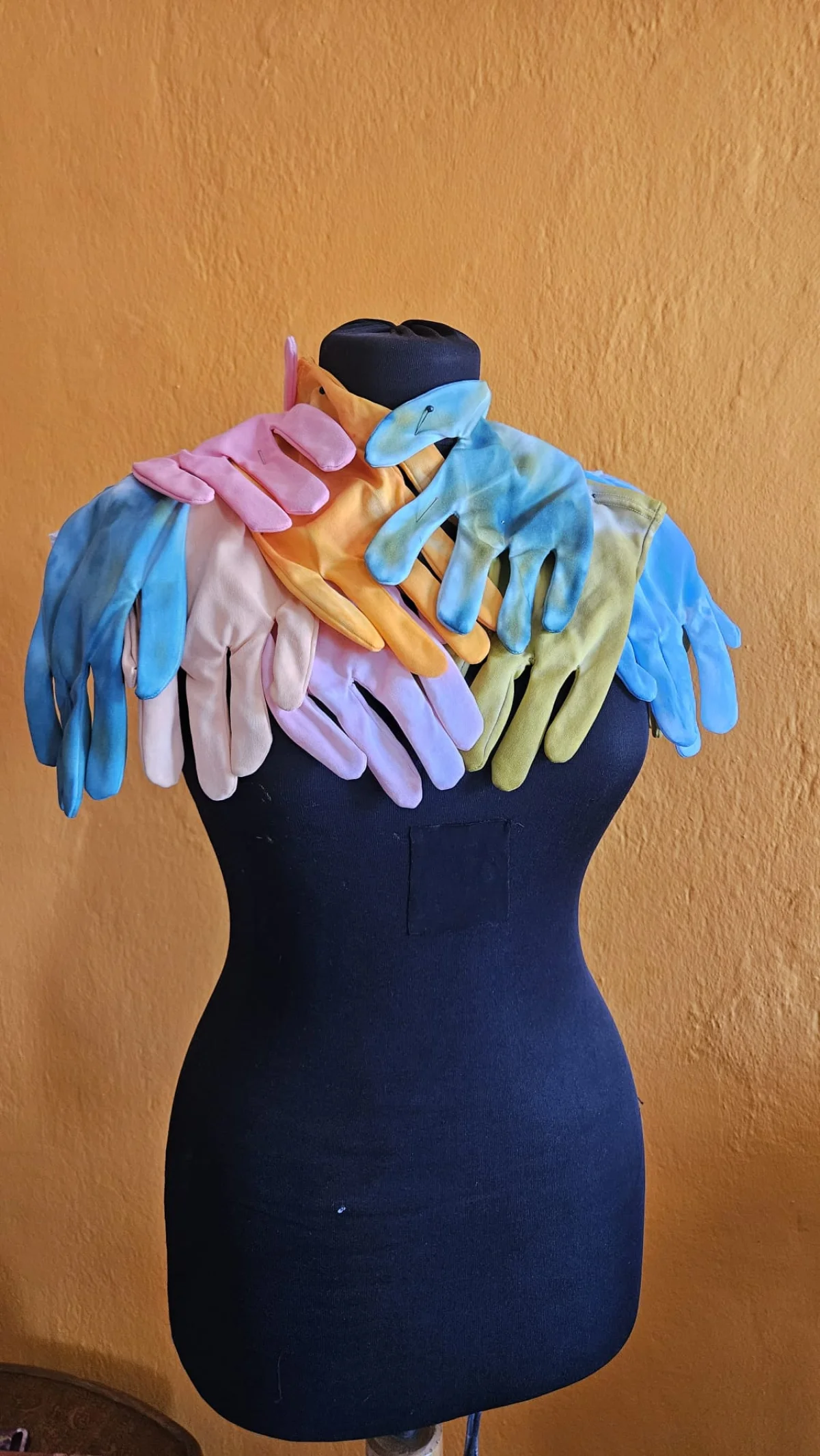
Nevra: So, what kind of work routine did you establish for yourself? Did you work on the characters one by one, or did you mix them up?
Derya: At first, I started working on all of them together, but as the characters’ basic outlines became clearer, I delved into the details. From then on, I worked on them separately.
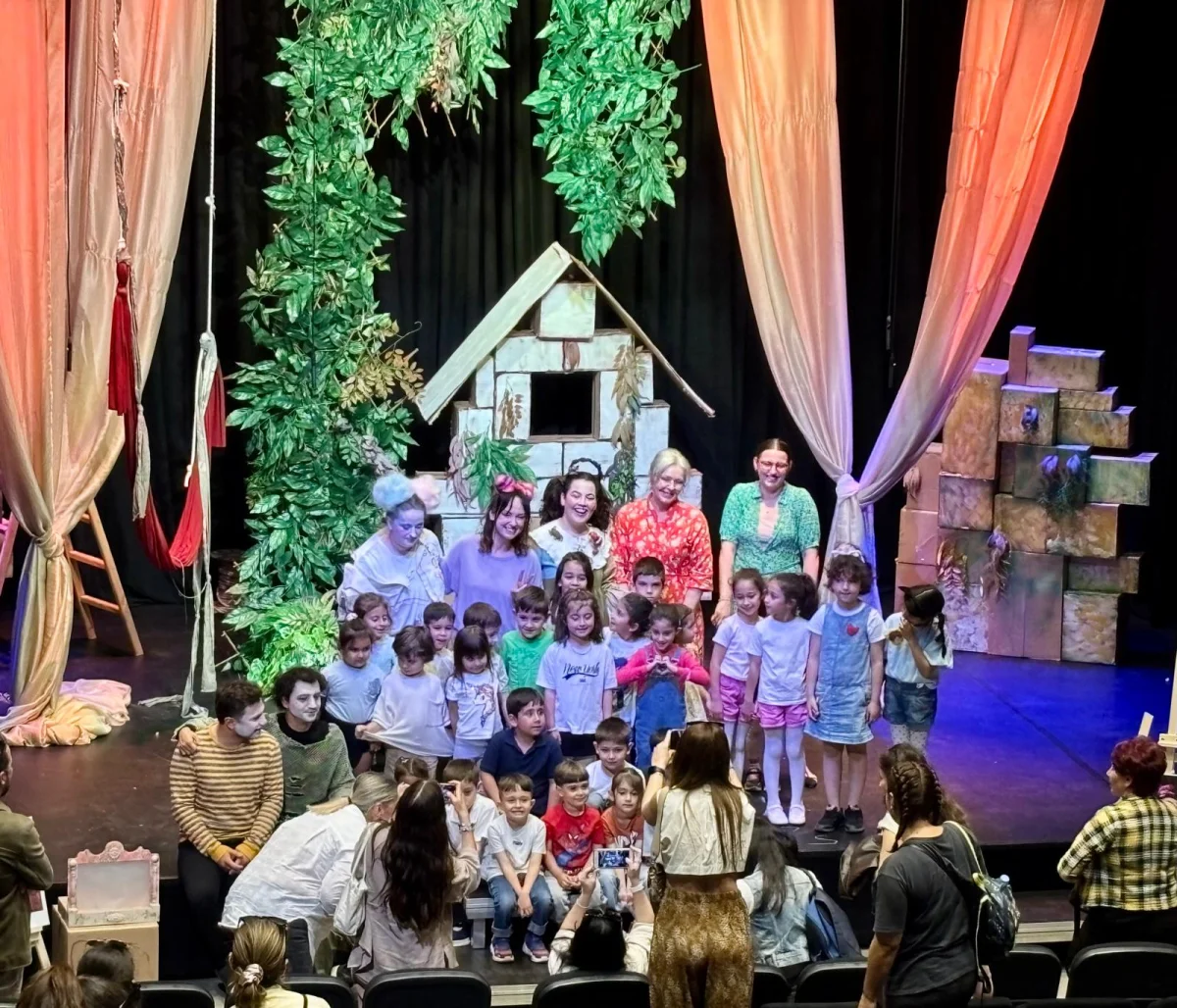
Nevra: What kind of feedback are you getting? Or let me put it this way: what’s your own take on it?
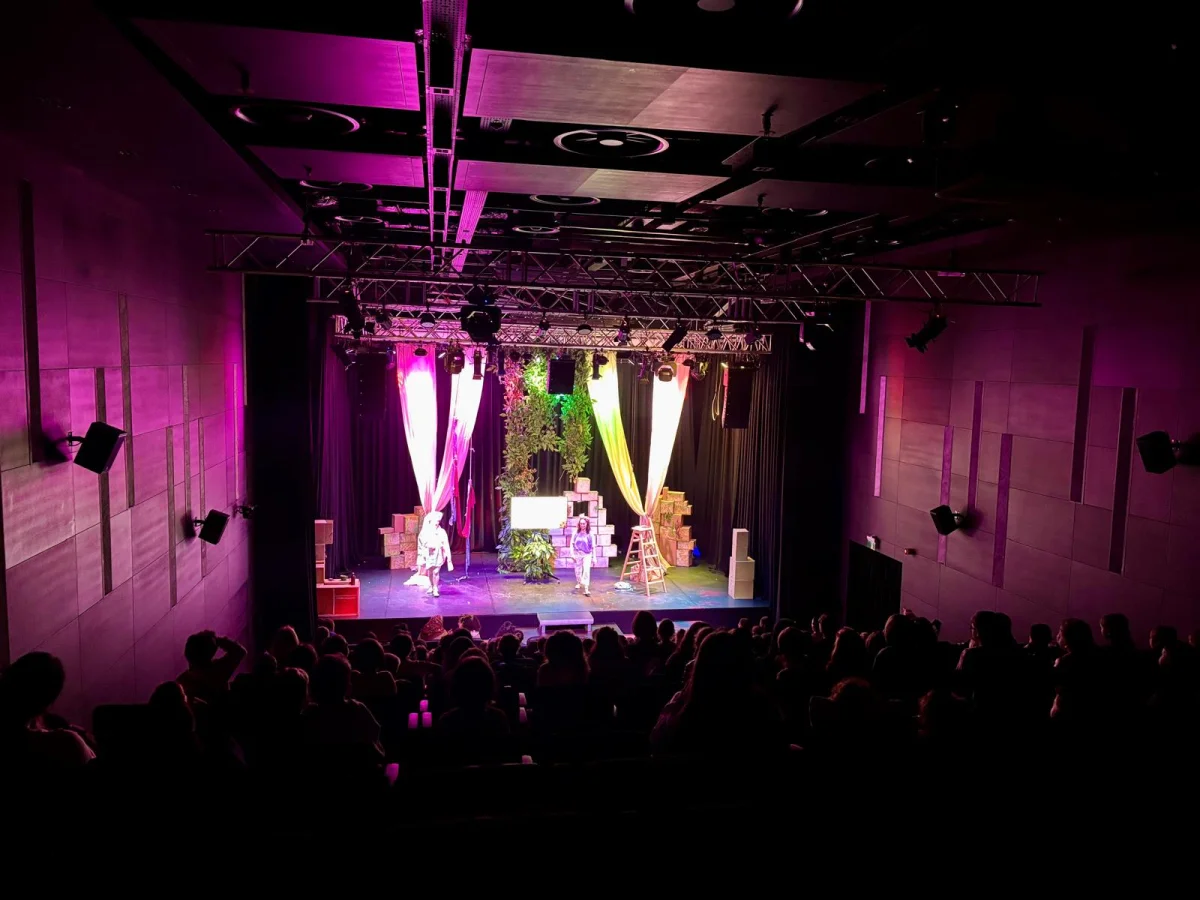
Derya: I want to give myself a pat on the cheek and say, “Good job!” Even though I’ve read the script, this is the first time, as a costume designer, that my work has come to life on stage as part of a project. So I have to admit that at first, I was a little worried, thinking, “What if I can’t pull this off?” But in the end, seeing how every actor wore their costumes with joy and became even more fully immersed in their roles—and, of course, the feedback I received from the audience—erased all my worries. The fact that the children—especially the young ones—connected with the costumes and accessories of the main characters so deeply that they wanted to own and wear them is the best feedback I could ask for...
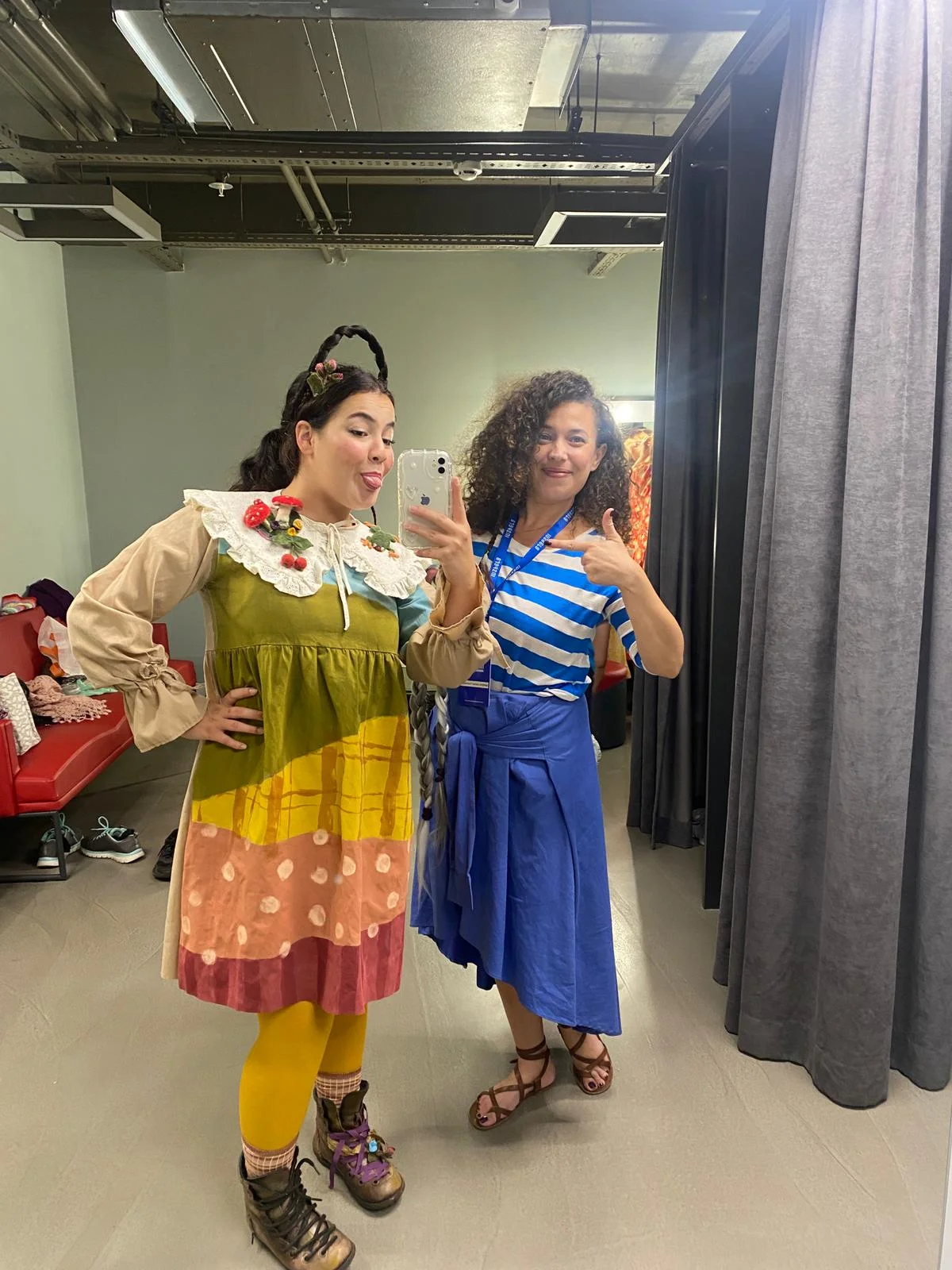
Nevra: My last question is this: They’re probably all like your own children, but which “Treasures of the Forest” costume is your favorite?
Derya: I’ll admit, Yosun holds a special place in my heart. From the hair design to the dress I painted with a village panorama, down to the blackberries, mushrooms, and frog I pinned to the collar—it’s probably because it’s the costume that made me feel the most like a child while performing...