Republic Ball | From Thessaloniki to the Republic
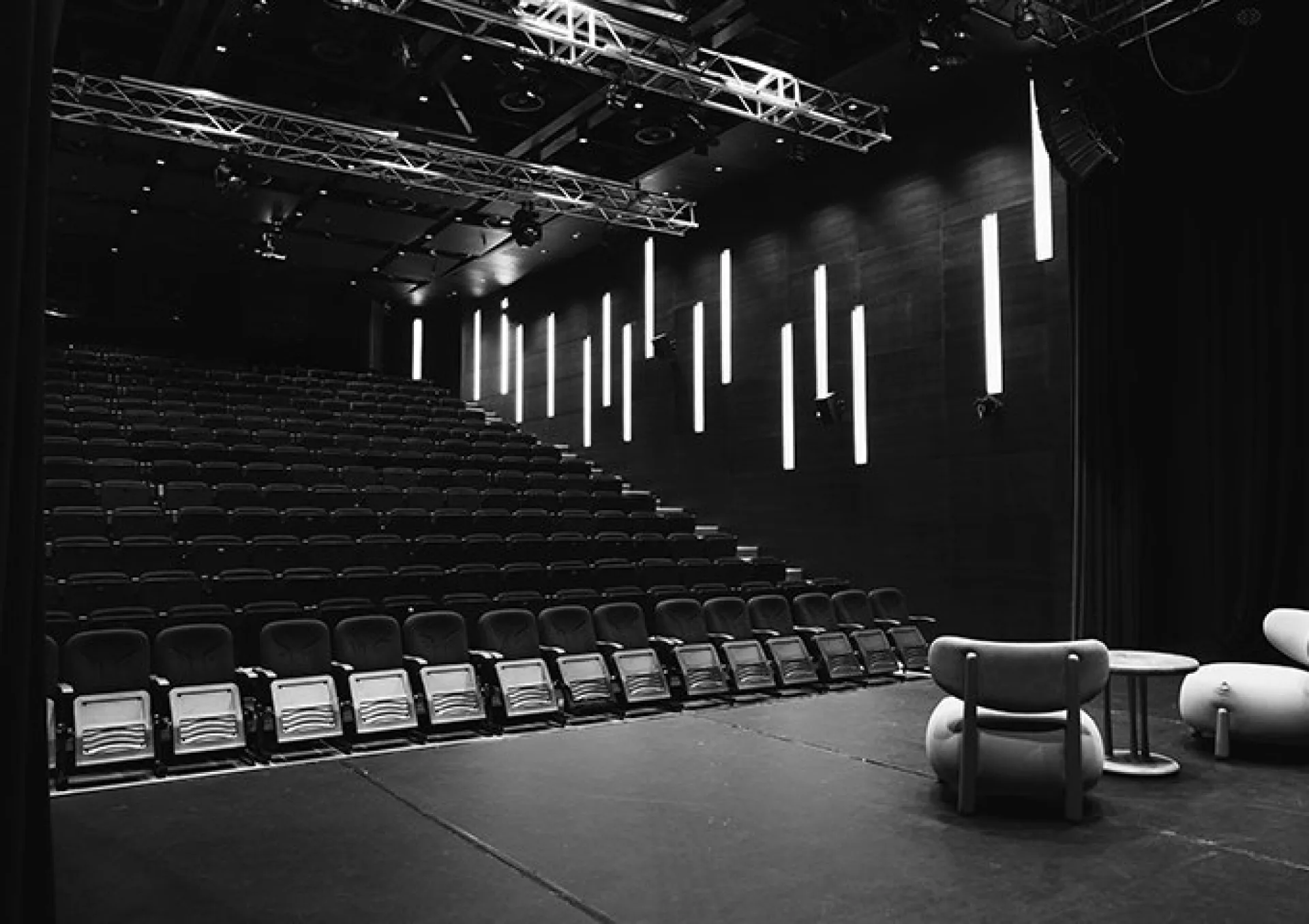
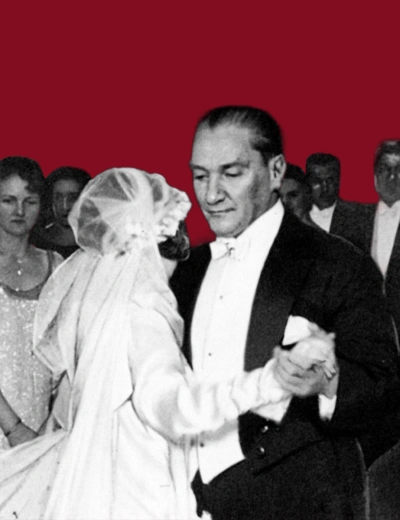
We’re celebrating the 103rd anniversary of our Republic on the evening of Thursday, October 29, at Inspera Bodrum. On a musical journey stretching from Thessaloniki to the Republic, we’ll bring together our history, our freedom, and our enthusiasm for the Republic around the same table.
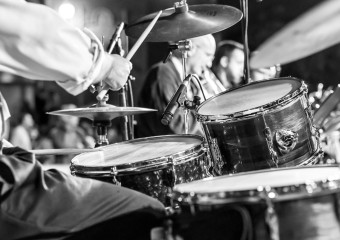
At the Republic Ball, taking place at 7:00 PM at Gastro Blau, a special dinner will be accompanied by a live performance by Deniz Çevik and his Orchestra.
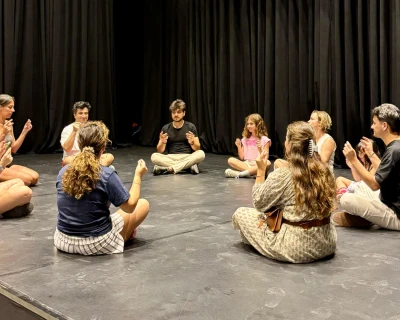
We’re kicking off the celebrations on October 28! At 7:00 PM on October 28, we’ll welcome the Republic’s spirit through dance by offering our dinner guests a complimentary lesson on basic waltz steps.